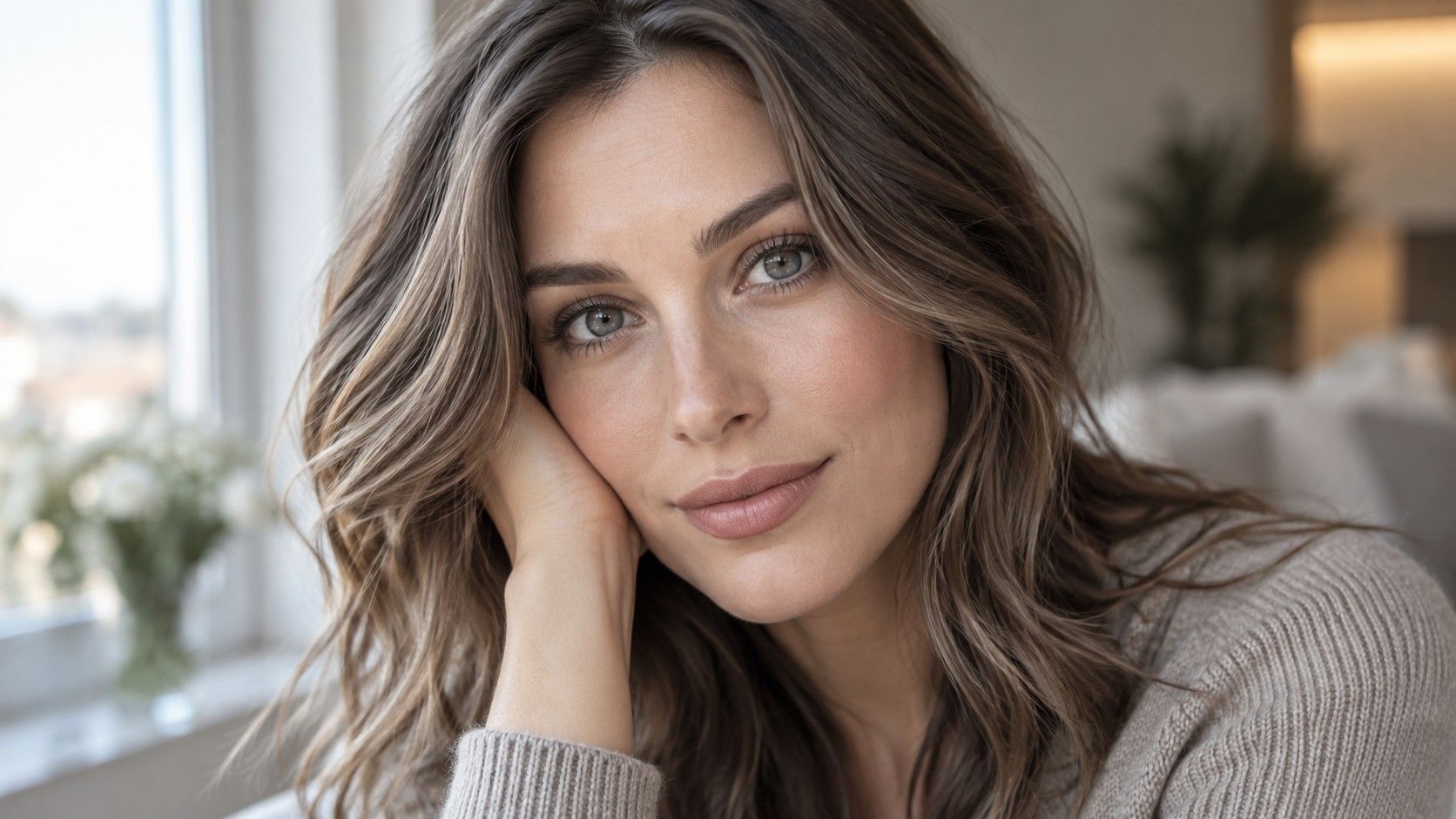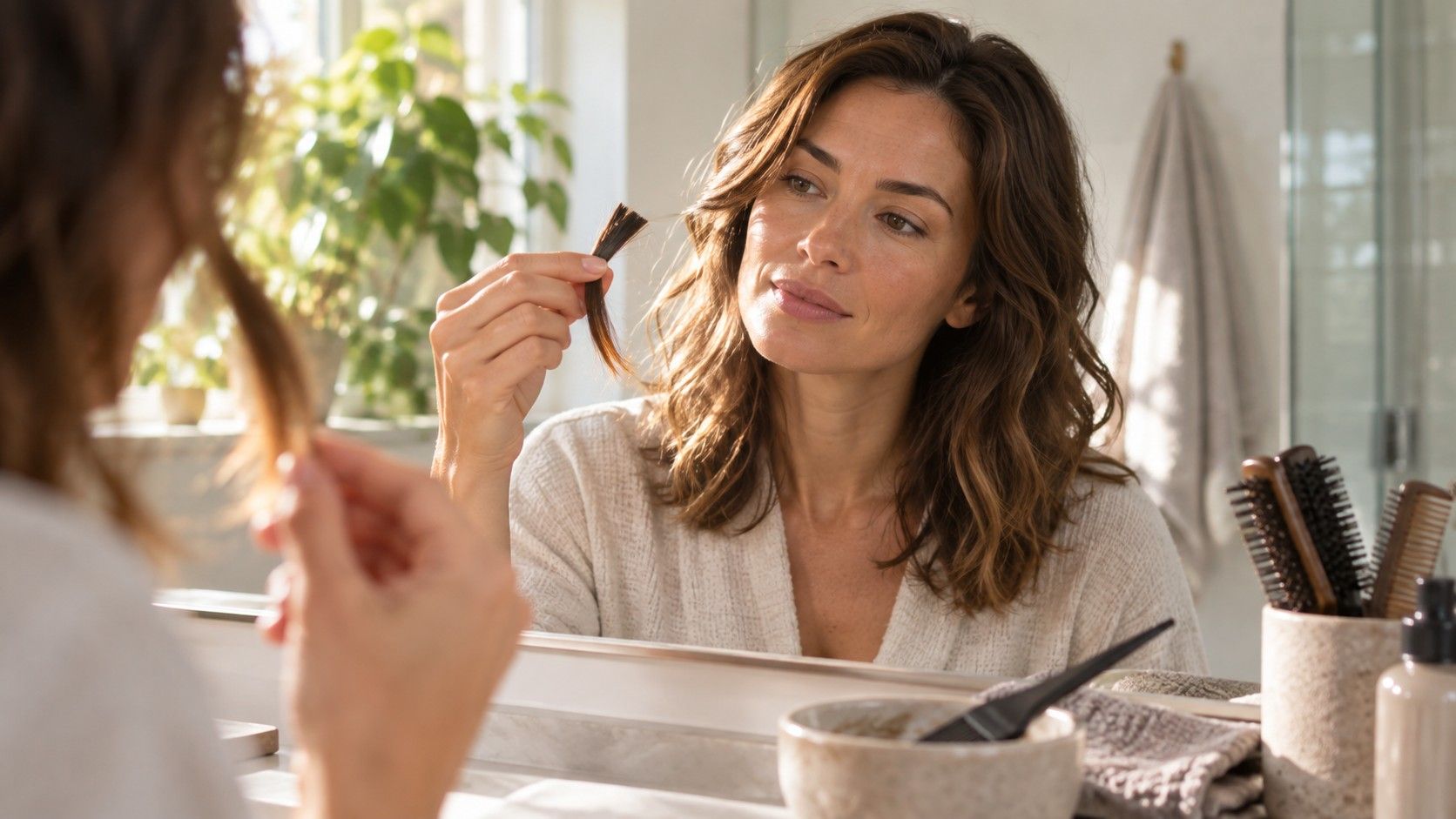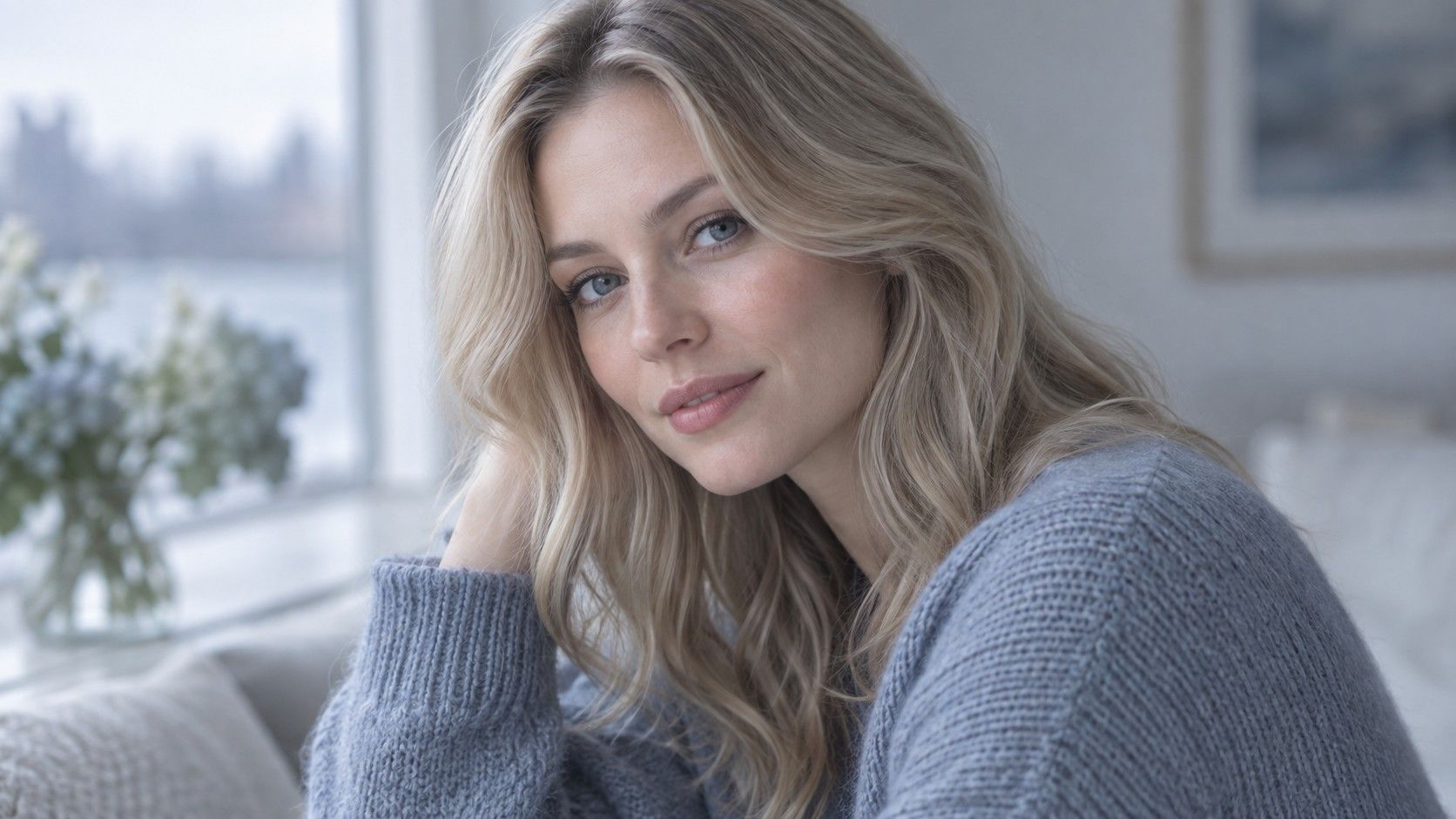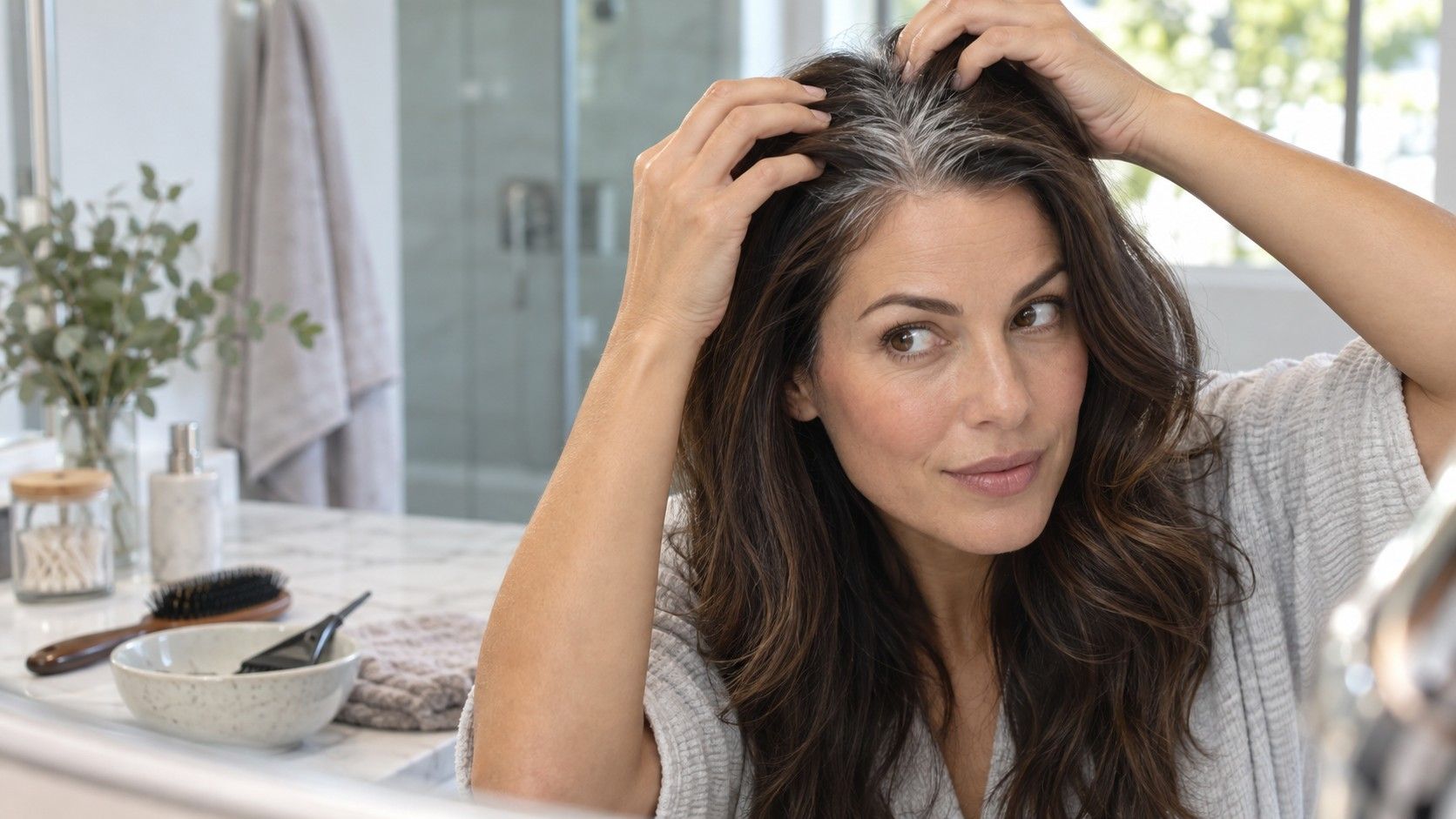
Warm Spring is a useful color-language shortcut for people who tend to look lively beside clear, golden, and light-to-medium shades. It is not a medical test or a rule that can overrule personal taste. Still, when someone repeatedly finds that smoky ash blonde makes them look tired and rich blue-black feels severe, the Warm Spring idea can point toward a practical answer: the hair may need visible warmth and light rather than greyed-out depth. The best Warm Spring hair colors do not have to be blonde, and they do not have to be bright orange. They usually share a few qualities: a golden or peachy undertone, enough clarity to avoid looking muddy, and a depth that does not overpower the face. Think sunlit hair rather than a single color from a plastic swatch. The difference is often in the gloss, the root, and the way lighter pieces move through the lengths.
What Warm Spring needs from color
Warm Spring coloring is generally described as warm, fresh, and relatively clear. In hair, that often means avoiding a heavy veil of ash, violet, or charcoal. These tones can be beautiful on other people, but on a warm, bright complexion they may create a grey cast between the hairline and the skin. The aim is not maximum gold; it is enough warmth that the face looks awake.
Depth still matters. A very pale golden blonde can wash out someone with medium brows or naturally medium brown roots. A very dark chocolate can make a light, warm complexion look smaller and more shadowed. Look at your natural brow depth and the contrast in your eyes. Many people who relate to Warm Spring look most balanced between dark blonde and medium golden brown, with highlights or lowlights that keep the surface reflective.
Clear does not mean artificial. A fresh golden tone can be soft and believable when it is broken up with fine variations. Hair that is all one buttery yellow may look flat; hair that contains honey, beige-gold, and a slightly deeper warm root catches light more naturally. Ask for tonal movement, especially if your hair is long or textured enough to show multiple layers.
Blondes with enough gold to look alive
Strawberry blonde is a classic Warm Spring direction because it combines lightness with gentle warmth. The most wearable versions are more peachy-gold or rose-gold than neon copper. On naturally dark hair, strawberry blonde often works best as a gradual process with a deeper root, because forcing every strand very pale can compromise condition and create a sharp grow-out line.
Honey blonde, golden beige, warm champagne, and light caramel are other strong options. The words used in salons vary, so bring photos taken in daylight. Look for a blonde that has gold present but not a dense yellow blanket. Fine brighter pieces around the face can make the complexion look clear, while slightly deeper gold through the underneath layers keeps the result from becoming one-dimensional.
A common mistake is choosing icy platinum because it looks fashionable in a reference image. Platinum changes the value contrast of the entire face and needs regular toning. For someone who needs warmth, it can make the skin look pinker or flatter than usual. If you like the lightness of platinum, try a pale warm beige first. It may give the same open, bright feeling with a much kinder effect on the complexion.
Brunettes that do not look muddy
Warm Spring brunettes usually benefit from some visible warmth and reflection. Golden brown, light chestnut, caramel brown, warm hazelnut, and medium copper-brown can work far better than a flat ash brown. The goal is not to make naturally dark hair look lighter than it is. A warm gloss, a few refined ribbons, or face-framing brightness can be enough to make a deep base feel connected to the skin.
Be careful with very dark espresso and blue-black. Their depth can be dramatic, but they often make a clear, warm face look more severe. If you want a darker change, ask for warm dark brown or rich chestnut rather than black. A subtle golden reflection will not necessarily read as “warm brown” in the mirror; it may simply make the color look healthier and more dimensional outdoors.
| Shade family | Why it can suit a Warm Spring direction | Potential adjustment |
| Golden beige blonde | Bright without a frosty cast | Keep a soft root for natural contrast |
| Strawberry blonde | Combines peachy warmth and lightness | Choose muted copper, not high orange |
| Honey or caramel brown | Adds warmth to a brunette base | Use fine placement to avoid stripes |
| Warm chestnut | Provides depth while retaining glow | Refresh with a gloss as it fades |
Placement changes the effect. A head of fine balayage can make a warm brunette look airy, while a few painted pieces near the face can be more practical for someone who wears their hair up or has a busy schedule. If your hair is curly, highlights will appear in flashes and may look much stronger than they do on straight hair. Show the colorist how you usually wear it so the lightness is placed where it will actually be visible.
Reds worth considering when you want warmth
Warm Spring reds tend to look best when they are light to medium in depth and carry a golden or peachy base. Light copper, apricot-copper, soft ginger, strawberry, and cinnamon can add a great deal of life to the face. They do not need to look theatrical. A few warm ribbons over dark blonde can create the same impression with less commitment than a full opaque red.
Very wine-dark burgundy, plum, and blue-red shades can be stunning, but they are usually more dramatic and cooler than the gentle clarity associated with a Warm Spring palette. If you are drawn to red but unsure, start with a warm gloss. It is a low-risk way to see whether your skin looks brighter next to copper warmth before committing to a full lift or permanent dye.
Red needs an upkeep plan. It fades with washing and heat, particularly on porous ends. Ask whether the salon expects you to return for a gloss, whether home color deposits are appropriate for your formula, and how quickly the root will show. The right color is not the one that looks perfect on day one alone; it should still feel good when it becomes softer and less saturated a few weeks later.
Keep the result fresh between appointments
Warm colors look their best when the hair reflects light. Deep conditioning, gentle heat styling, and a heat protectant are not glamorous details, but they affect whether gold and copper look luminous or dry. If highlights are involved, avoid repeatedly ironing the same pieces. Porous hair can grab toner unevenly and make a carefully mixed golden blonde turn patchy.
At a consultation, name the effect you want rather than only the season label. You might say that you want your face to look clearer, your eyes to look warmer, or your natural root to blend softly. Bring references for depth, warmth, and placement separately. That gives the colorist a useful starting point and leaves room to adapt for your hair history.
Seasonal color language is most helpful when it opens choices. If a warm golden brown makes you look healthy and you enjoy it, it has done its job. If you love a cooler shade and can make it work with makeup, contrast, or styling, that choice is valid too. Use Warm Spring hair colors as a way to recognize the value of warmth and clarity, then make the final decision around your own mirror and routine.