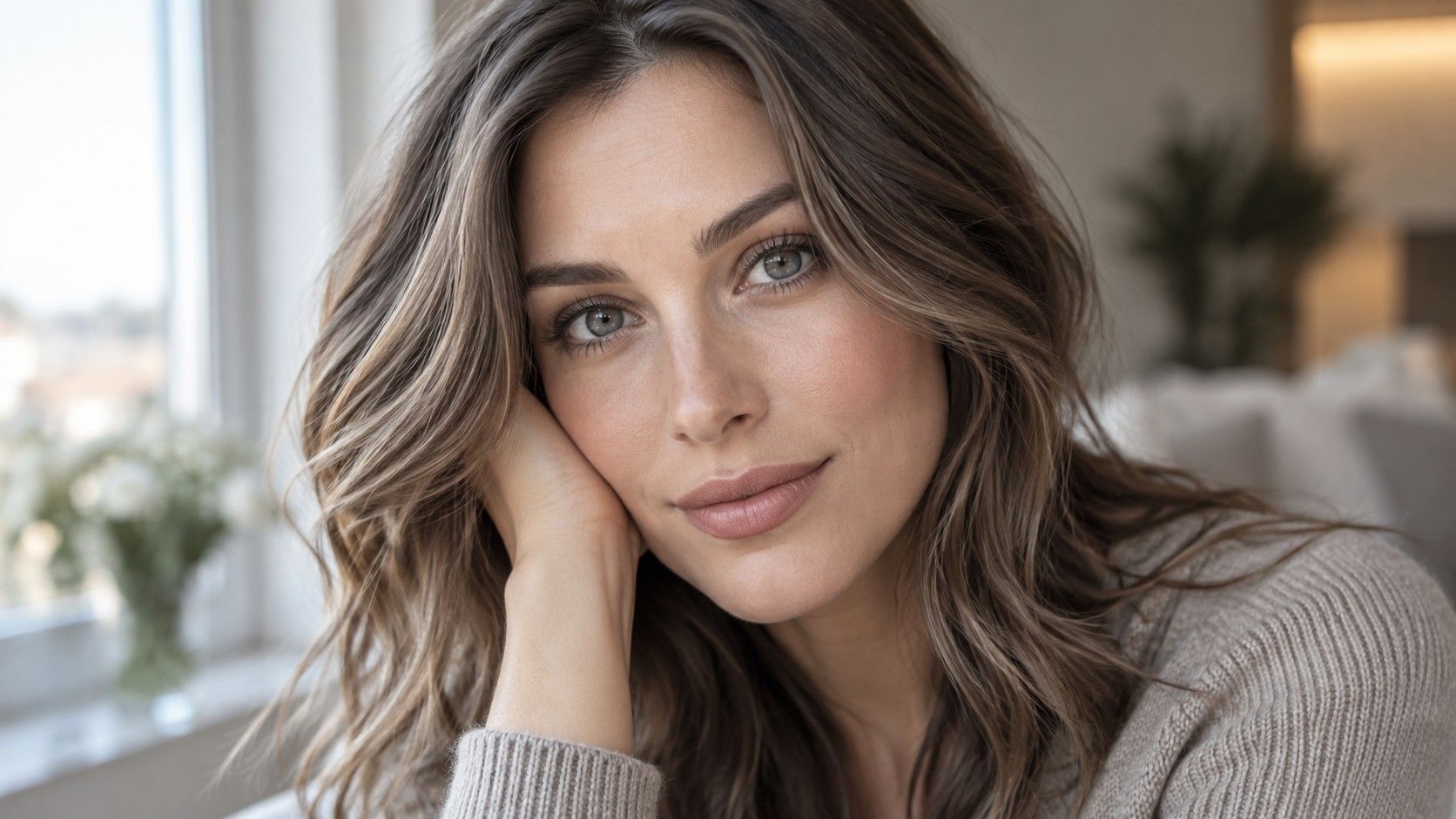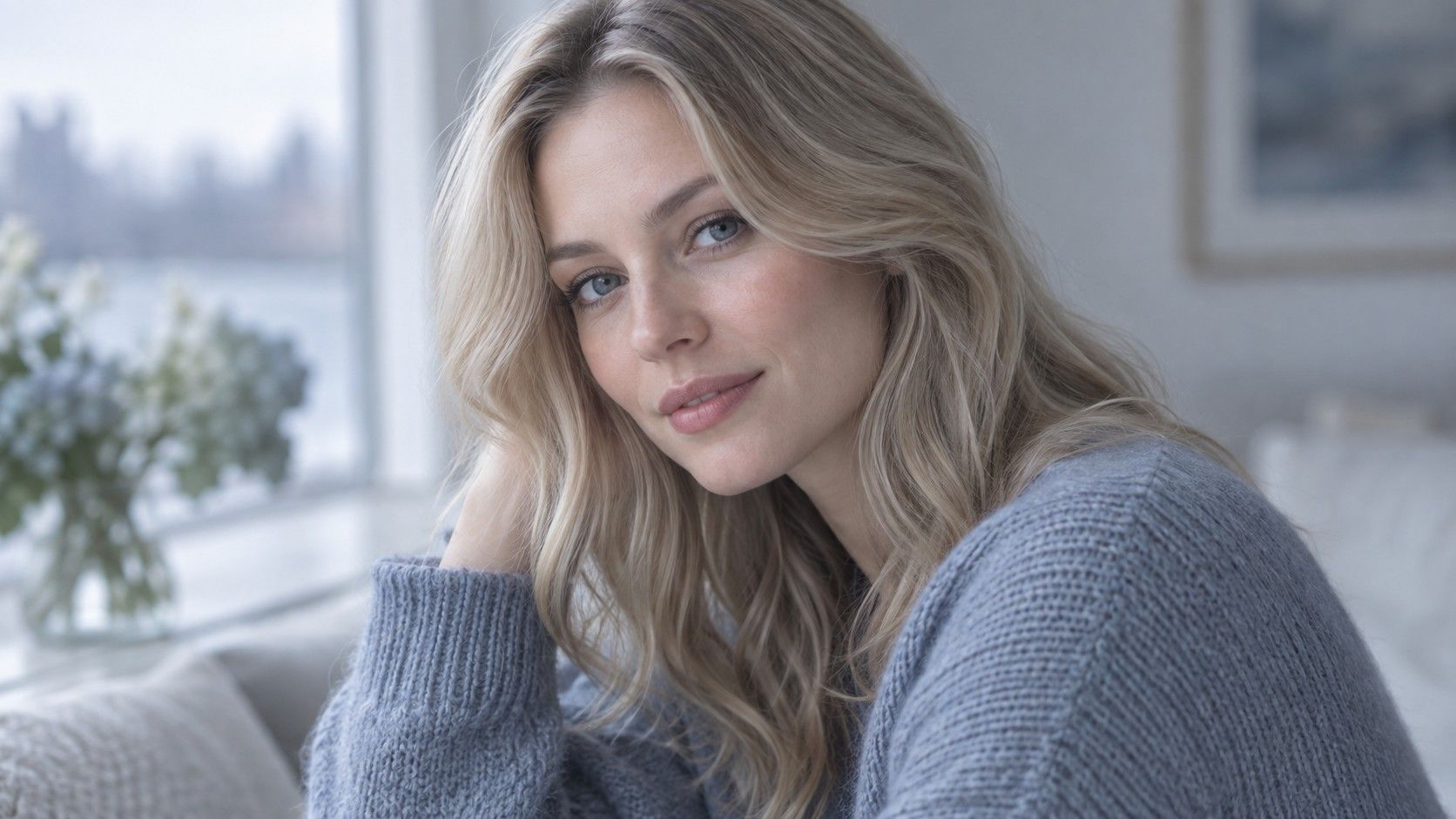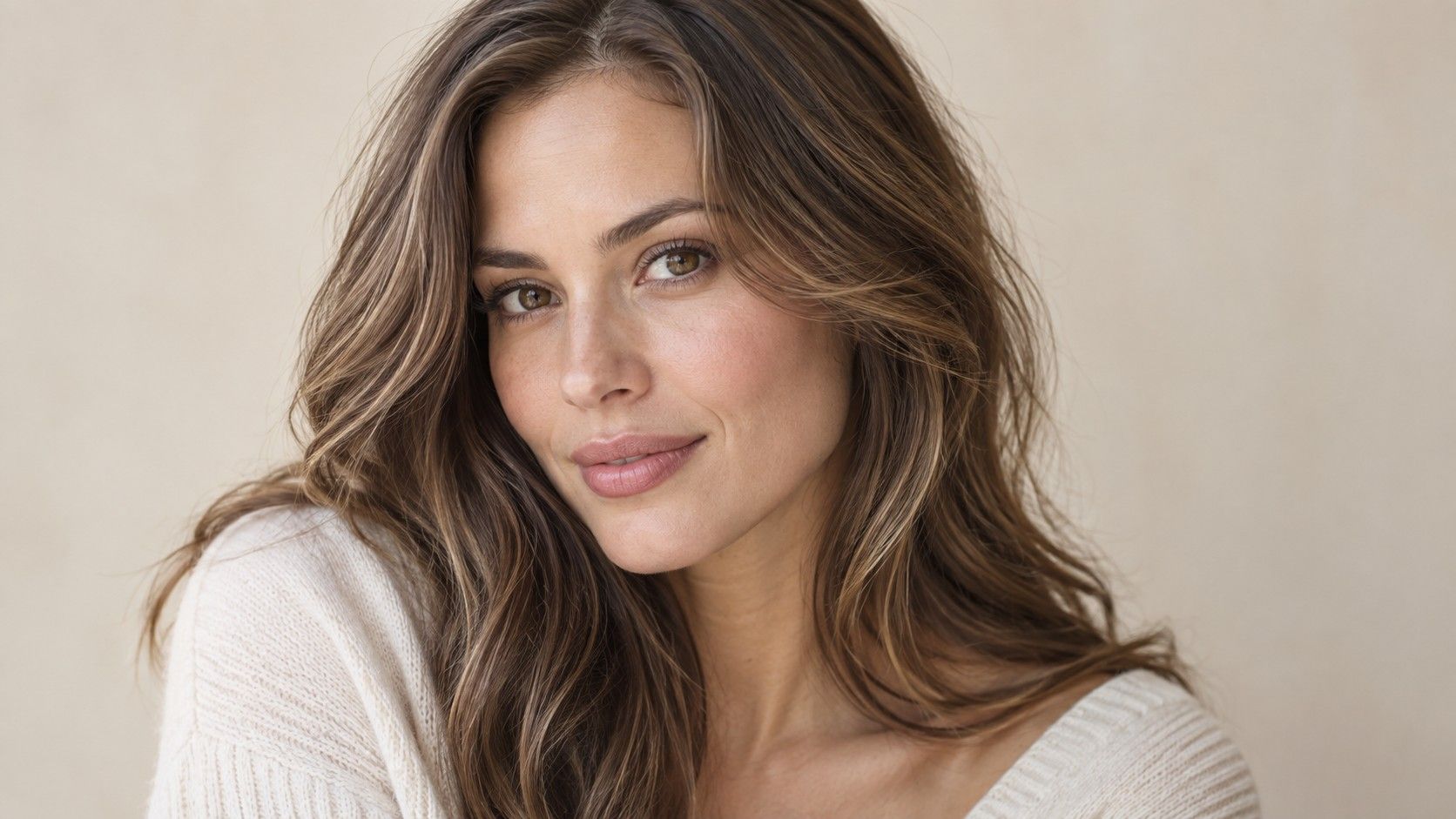
A neutral undertone is often presented as the easy ticket: wear anything, pick any dye box, enjoy the freedom. The real experience is more nuanced. Neutral skin can carry both warmth and coolness, which means it can also look oddly beige beside a color with no depth, no shine, or too much of one direction. When choosing hair color for neutral skin tone, I would focus first on how the color behaves in everyday light and only then on whether its label says ash, golden, or neutral.
Confirm the undertone, but do not let it decide the whole appointment
Neutral undertones often show mixed signals. Gold jewelry may look as plausible as silver, veins may appear blue-green, and foundation ranges may put you between cool and warm names. These tests are useful only as clues. Skin depth, surface redness, olive cast, freckles, and natural brow color all affect which hair shade will look balanced. A light neutral complexion and a deep neutral complexion should not be given the same answer just because both are called neutral.
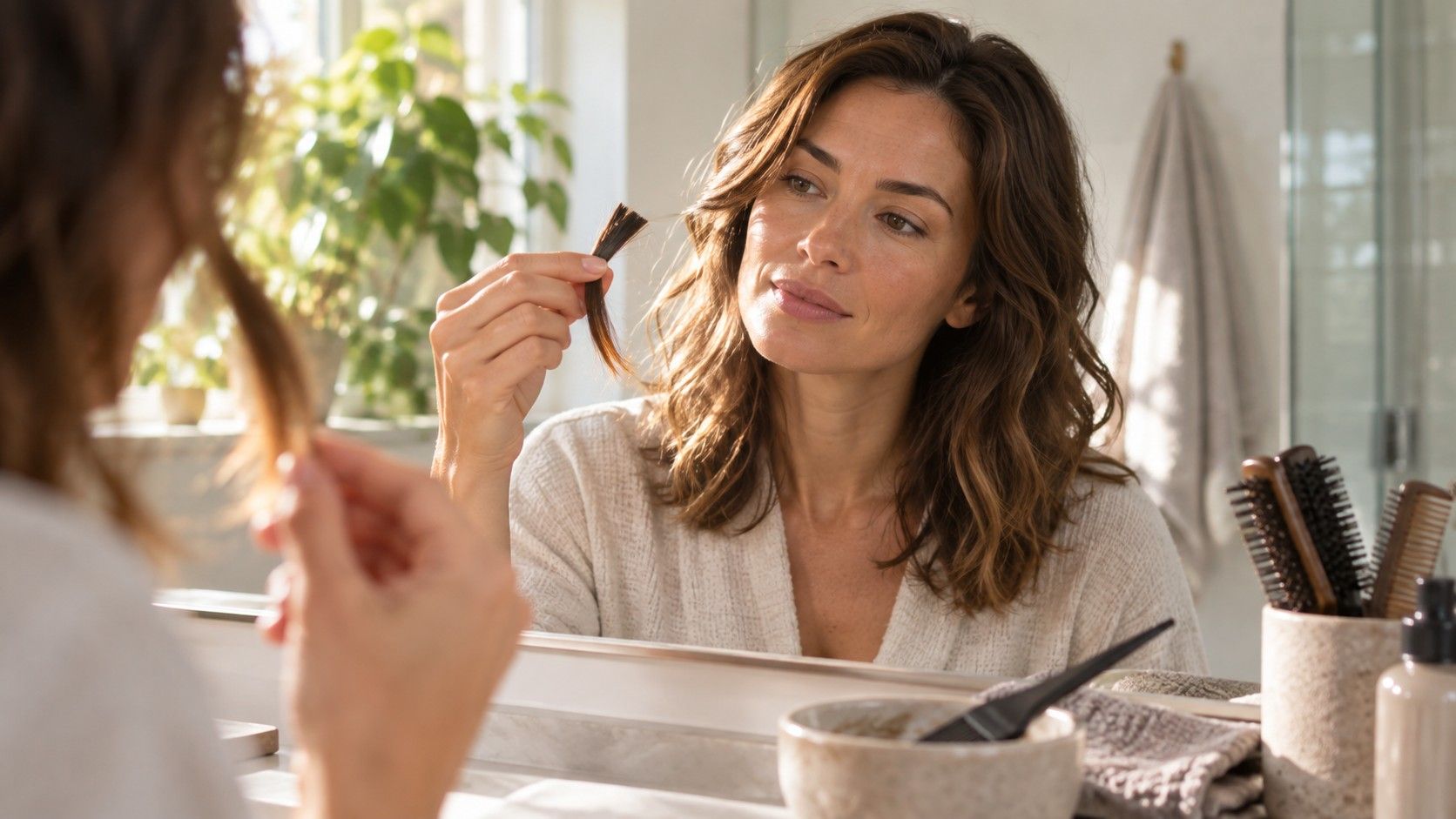
Use daylight instead of a bright bathroom bulb. Pull the hair away from your face and look at the jaw, neck, and chest together. Then compare that image with the natural root. Your natural shade is not automatically the most exciting option, but it shows the contrast your features have carried comfortably for years. If your root is a soft medium brown and your brows are quiet, an abrupt blue-black may feel more theatrical than the photo suggested.
Season also changes the evidence. A little summer color can reveal gold in a neutral complexion, while winter skin may look clearer and cooler. Flexible color is valuable for that reason: a beige blonde can be glossed slightly pearly or slightly honeyed, and neutral brown can be pushed toward mushroom or cocoa. Treat undertone as a range with room to move, not a verdict that limits every future shade.
Compare color families by the effect you want, not by a swatch name
Beige blonde is one of the most forgiving neutral hair colors when you want brightness without the hard edge of platinum. Its best version usually has a root shadow, fine lighter pieces, and a little warmth underneath the beige. An all-over pale beige can go flat, particularly on fine hair; a darker root and a few lowlights give the eye somewhere to rest and make regrowth less obvious.
Neutral brown works when the goal is definition without a red or grey cast. Think cocoa, soft chestnut, mushroom brown softened with beige, or a medium brunette with subtle caramel only near the face. Completely ashy brown can make neutral skin look dull if there is any natural warmth in the cheeks. On the other hand, an intensely red brown may fight a muted olive complexion. Two close tones usually look more convincing than one rigid formula.
Soft black deserves more caution than its name suggests. A brown-black or espresso with a gentle reflective gloss can make light or medium neutral skin look elegant and bring out the eyes. True inky black creates a strong line around the face and exposes root growth quickly, so it is a choice for someone who enjoys the contrast and the upkeep. It is not simply the darker version of neutral brown.
| Color family | Best when you want | Practical caution |
|---|---|---|
| Beige blonde with a root melt | Lightness with a soft transition | Lift gradually from dark hair to avoid stubborn warmth |
| Bronde or dark blonde | A low-commitment change with visible movement | Fine highlights need placement, not an all-over stripe pattern |
| Cocoa or mushroom-neutral brown | Polish and depth without obvious red | Ask for a touch of warmth if ash makes the face look grey |
| Soft copper or cinnamon brown | More color around the face without neon intensity | Warm tones fade; plan for a gloss or color-depositing care |
| Brown-black or soft black | Strong definition and shine | Test the depth before a permanent full-head change |
Choose depth before chasing warm or cool
When a shade feels wrong on neutral skin, temperature gets blamed first. Often the real problem is depth. A blonde that is too light can remove the natural contour from a light-medium face, while a brunette that is too deep can turn normal shadows under the eyes into the main event. Before abandoning a color family, try moving one level lighter or darker. It is a smaller correction with a much more predictable result.
For hair color for light medium neutral skin tone, medium depth is frequently the comfortable middle ground. Dark blonde, bronde, milk-chocolate brown, and sandy beige brown leave room for both highlight and shadow. A slightly deeper root makes the face frame read brighter without looking disconnected, and it lets the result grow out without a sharp boundary at the scalp.
Texture changes the depth calculation. Fine straight hair shows every color contrast plainly, so delicate ribbons and a root melt may be enough. Thick curls blend neighboring tones and can make a medium brown appear visually darker, especially indoors. If you wear your hair natural most days, arrive at the consultation with its usual texture visible. A color plan made only for a smooth blowout can look more dramatic after the first humid afternoon.
There is also a practical timing issue: hair that has been lightened, dyed red, or repeatedly heat-styled may be porous at the ends. Those ends can absorb an ash gloss too strongly or lose warm pigment sooner than the root. A strand test tells you more than a digital color chart. It gives you a chance to adjust the formula, use a filler where needed, or decide that a gradual gloss is wiser than a dramatic permanent shift.
Keep the result dimensional and make the upkeep believable
A neutral skin tone best hair color is usually one that has an internal balance. That may mean a cool root with warmer mids, a neutral brown base with soft lights at the temples, or beige blonde with a few deeper pieces underneath. The aim is not to show every tone separately. It is to stop the hair from reading like one matte sheet beside skin that already has several subtle undertones.
Bring three kinds of reference image if you are seeing a colorist: one for depth, one for the temperature you prefer, and one for placement. A picture of loose, heavily filtered blonde hair may have the right brightness but none of the practical information needed for your dense dark curls. Explain what has failed before: “too orange,” “too grey,” “roots too dark,” or “my face disappeared.” Those details point to a workable adjustment.
If you color at home, patch test first and test a hidden strand before applying color everywhere. Dye labels are broad marketing categories, not promises; neutral on one brand can look cool on porous hair and warm on another starting level. Keep expectations especially modest when covering old color. A demi-permanent gloss, a few face-framing pieces, or a root refresh can reveal whether you like a direction without committing the entire head.
Finally, choose a maintenance rhythm you can actually keep. Beige blonde may need toning and good conditioning, soft copper needs a color refresh sooner than brown, and high-contrast soft black makes regrowth visible. Heat protection, a gentle shampoo, and fewer very hot styling passes preserve reflection as well as pigment. The shade that works with a neutral complexion is not the one that wins under salon lights; it is the one that still feels balanced six weeks later, when it is simply your hair again.