Trend reports are good at producing a beautiful name and a photograph taken immediately after a blowout. They are less good at explaining what happens when that color meets a dark natural root, old highlights, curly texture, and a Tuesday morning with no stylist nearby. The most useful way to read 2027 hair color trends is as a set of directions: richer depth, softer transitions, visible shine, or a bolder face frame. Then decide which direction your own hair can take without becoming a repair project.
Treat a trend as a direction rather than a ready-made formula
A single label can hide several different looks. “Dimensional brunette” might mean espresso with barely-there cocoa lights, or medium brown with a bright caramel contour. “Soft blonde” might be beige, sandy, pearl, or warm honey depending on the starting level and the light in the photo. When a trend image catches your eye, separate the things you actually want: overall depth, warmth, root shadow, highlight placement, and finish. That is a much better consultation language than asking to copy a name.
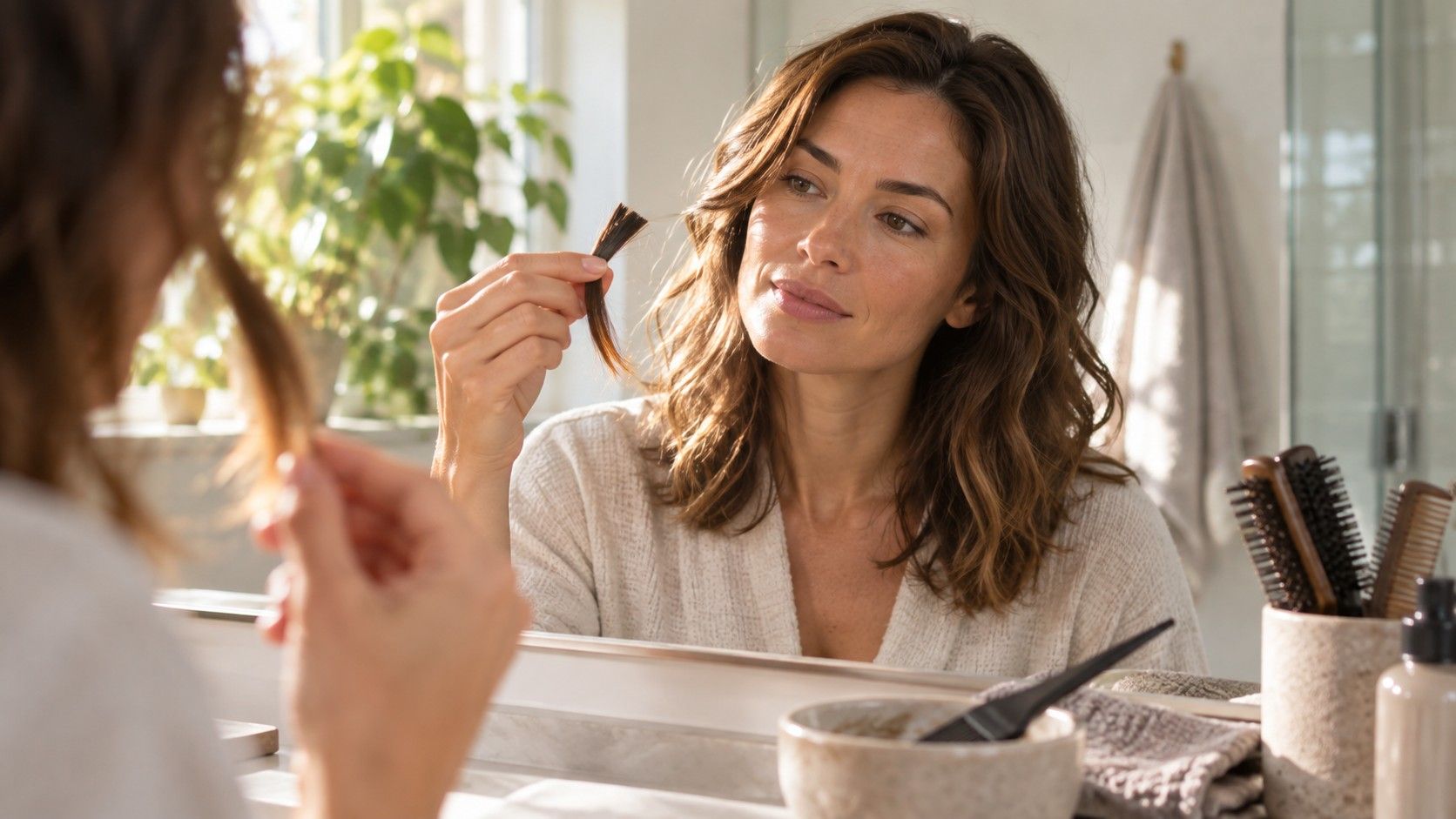
Begin with a photo of your own hair in daylight. Note the natural root, the lightest old ends, and any bands where earlier dye sits differently. A trend that looks casual on naturally dark blonde hair may require repeated lifting on a dark brunette. That does not make it impossible, but it changes the price in time, condition, and upkeep. I have more faith in a gradual color plan than a promise that every history can be erased in one afternoon.
Also notice how you normally wear your hair. Fine straight hair displays every highlight line; thick waves blend color and often make it look darker; tightly curled hair can make a lightening service appear far more dramatic after it dries. Ask to see reference photos on a texture close to yours. A color has to work in movement, at the roots, and under ordinary indoor light, not only in a camera-facing curl pattern.
Use low-commitment brunette and blonde updates when your base is healthy
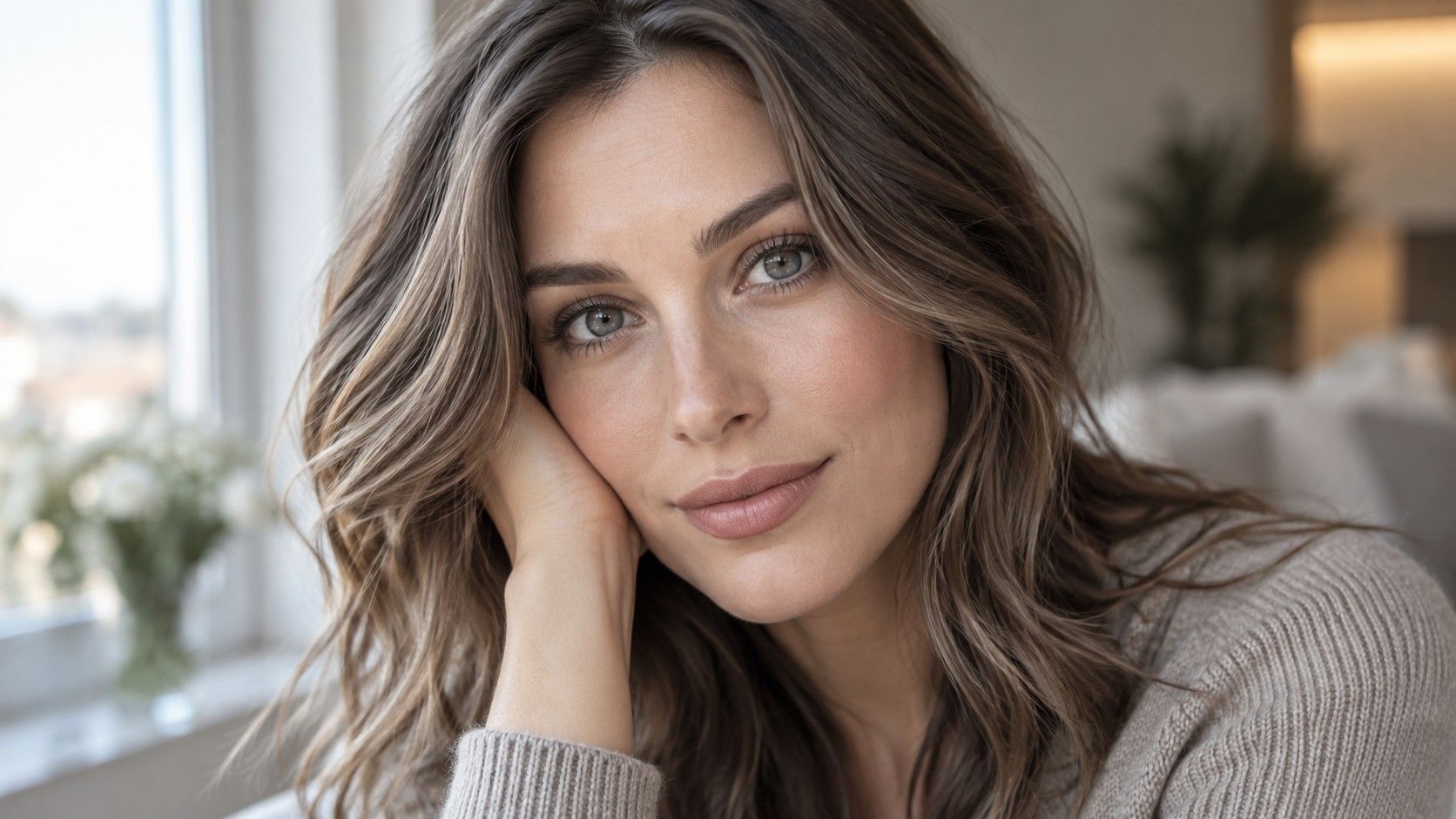
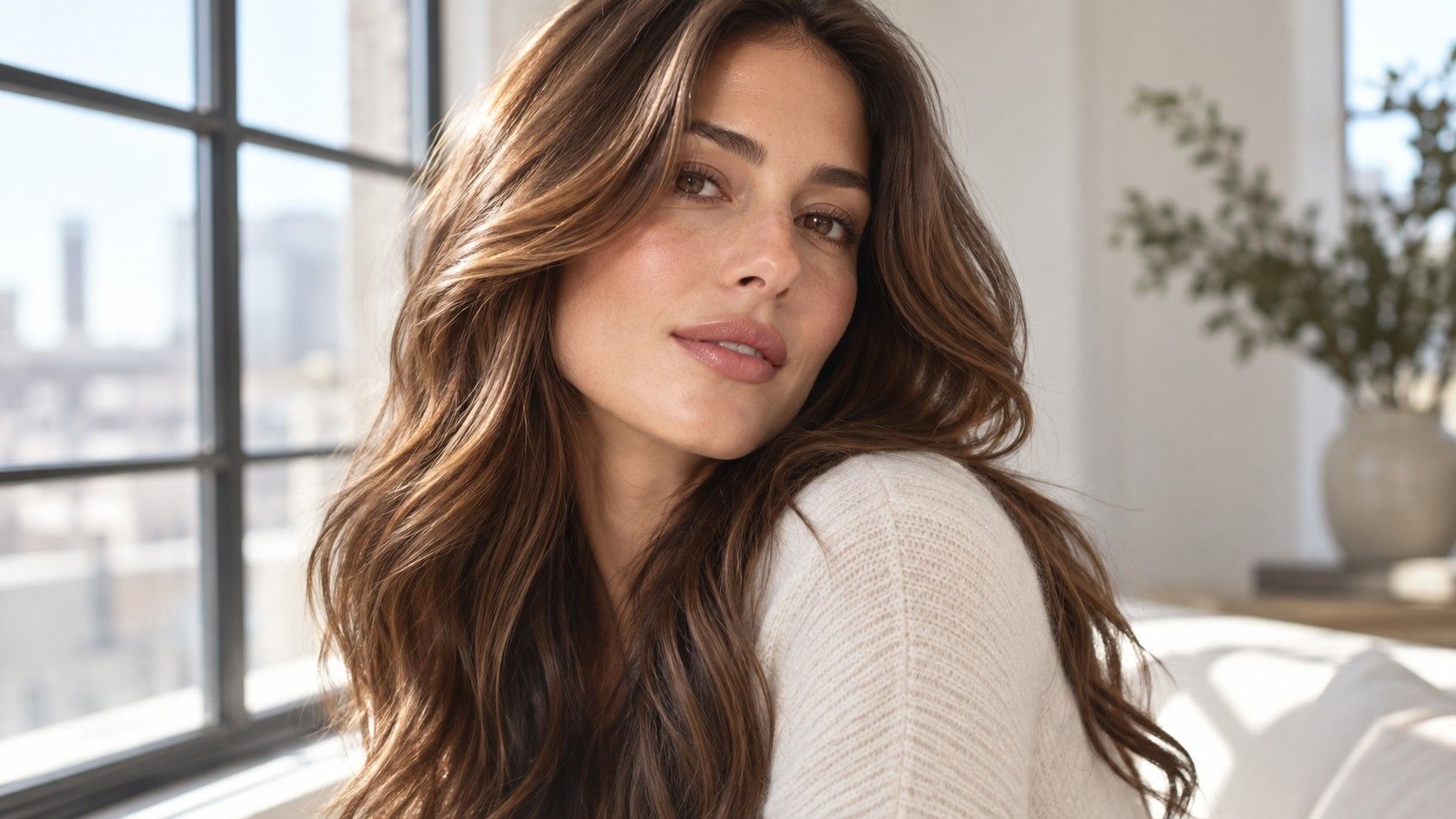
One strong hair color trend 2027 direction is not an extreme transformation but a more deliberate version of natural depth. For brunettes, that can be a gloss that deepens a faded brown, fine cocoa lights that break up a solid color, or a slightly lighter face frame that makes the features look less shadowed. The better versions keep the root believable. They do not leave a horizontal line that announces the appointment before the hair moves.
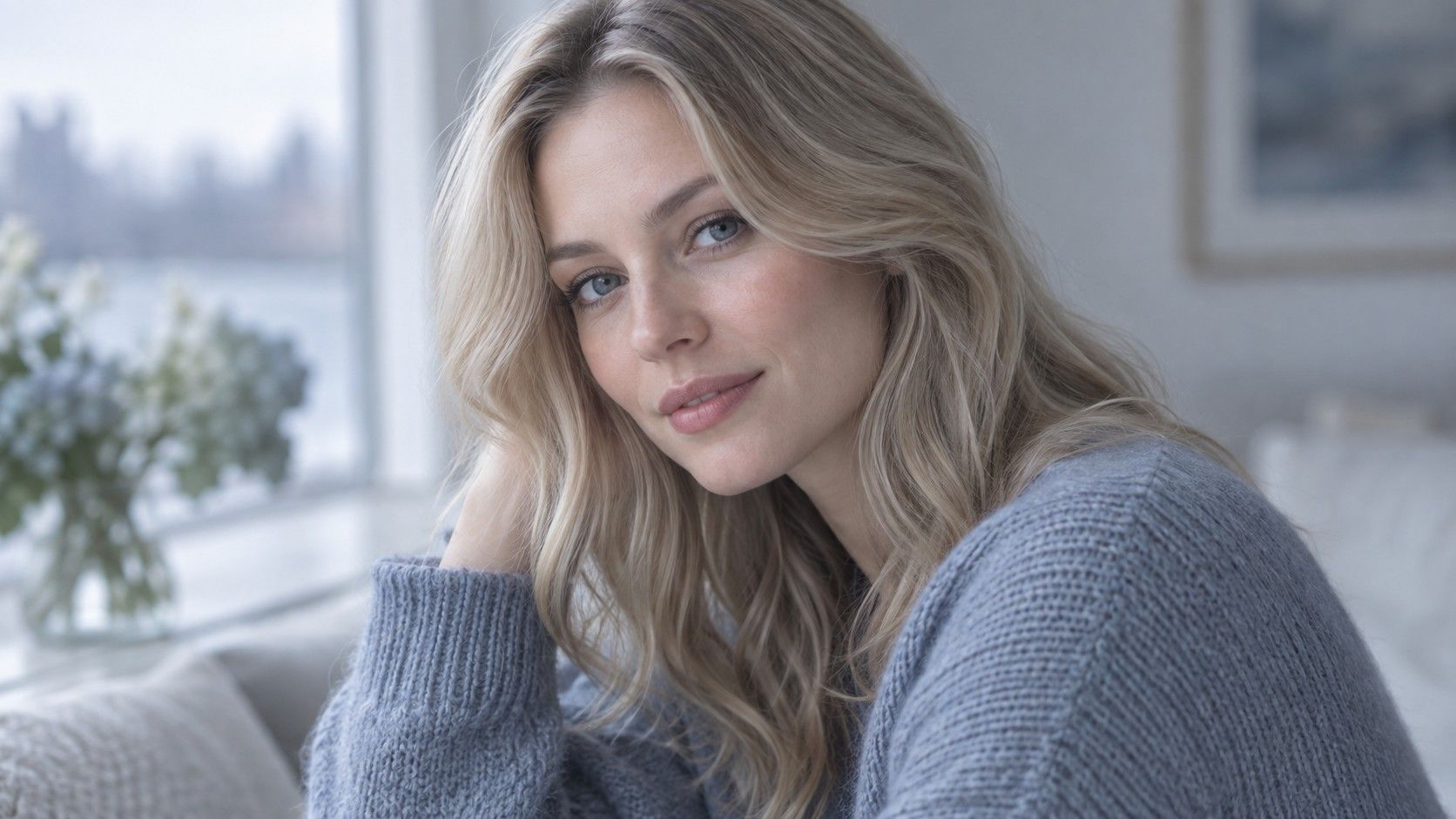
Bronde and dark blonde updates work for people who want light without committing to a pale blonde schedule. A root melt, a few beige ribbons around the face, and lowlights through the ends can give a lived-in effect while preserving enough natural base for future changes. If old highlights are already very light, adding lowlights may be the faster route to dimension. More bleach is not always the answer to hair that feels flat.
Glossing has a modest reputation, but it is often the sensible first step. A neutral beige gloss can quiet an over-bright blonde; a warm transparent brown can make faded brunette hair look costly without a permanent depth change. It is temporary, which is a strength when you are testing whether a new direction suits your skin and wardrobe. The caveat is that porous ends may take pigment more strongly, so a strand test still matters.
| Trend direction | Adapt it with | What to ask about |
|---|---|---|
| Dimensional brunette | Cocoa lights, a gloss, or a soft face frame | Whether old dark dye will lift evenly |
| Expensive-looking dark blonde | Beige ribbons and a shadow root | How the root will look after six weeks |
| Soft blonde | Low contrast highlights over natural depth | Whether your hair can lift slowly and stay strong |
| Warm seasonal brunette | Chestnut or cinnamon glaze over brown | How quickly warmth will fade on your ends |
| High-contrast color block | A small face frame before a full panel | How difficult the return path will be |
Choose copper, red, or statement color for the life you actually lead
Copper continues to appeal because it changes a face quickly: gray or green eyes can look clearer, and a simple haircut gains texture. But copper is not one shade. Soft cinnamon, auburn brown, strawberry blonde, and vivid orange ask for different levels of lightening and different refresh schedules. A muted copper glaze over dark blonde can be a graceful seasonal update. A saturated bright copper is a commitment to regular tone refreshes and color-safe care.
For fall 2027 hair color trends, brown-based warmth is often the easier place to start. Chestnut with subtle red reflection, mahogany softened with neutral brown, or a warm brunette gloss gives the cozy effect people often want from red without demanding that every root match a vivid mid-length. It can also fade more politely. If you have previous box black or dark brown, be especially realistic: red tones may show as warmth first, not as the precise cherry or copper photo you saved.
Statement pieces work best when their placement has a reason. A brighter section beside the cheek can change the whole face; a hidden panel under the top layer is less public and easier to grow out. Before choosing a strong pink, blue, or high-contrast blonde block, ask how it will look against your natural root and whether the hair has enough lightness for the color to appear true. Fashion pigment laid over orange lift will not behave like pigment on a pale, even base.
Maintenance is not a boring add-on to a trend. It determines whether the color remains deliberate. Red and copper benefit from cool-water washing and occasional deposits of matching pigment. Pale statement shades can shift as the base shows through. Deep glossy brunette needs shine more than aggressive cleansing. If the routine sounds annoying before the appointment, the trend may be better interpreted in a quieter, more temporary form.
Bring useful questions to the chair before you chase 2027’s color of the year
The phrase hair color of the year 2027 suggests one winning shade, but a consultation should begin with your own starting point. Ask which parts of the reference image are realistic on your hair now, which need a gradual process, and where the colorist would place dimension to suit your face shape and texture. Ask to see the plan in levels, not only names: how dark will the root be, how light will the ends be, and what will remain natural?
Bring separate photos for depth, temperature, and placement. A single online image may have the perfect brunette depth but a warm filter, or the right copper tone with extensions and studio lighting. Saying “I like this softness around the face, but not this much blonde overall” prevents a lot of disappointed silence at the sink. Mention past color too: henna, box dye, bleach, and recent dark glosses are all relevant evidence, not embarrassing details.
Finally, ask for the calendar. When will you need a gloss, a root touch-up, or a second lightening session? Is the look still convincing if you wait eight weeks? Trends become personal when they leave room for your budget, hair health, and patience. The best result is rarely the most literal version of a social image. It is the version that still feels good after the first shine fades and you see it in your own mirror.